
I remember sitting in the stands, heart pounding, as the pitcher sailed through the eighth inning. Every strike was a miniature explosion of hope, every out a step closer to baseball nirvana: the perfect game. Sadly, a bloop single shattered the dream, but the electric feeling lingered. That’s the magic of a perfect game – a fleeting moment of absolute dominance that captivates fans and bettors alike.
As someone who has spent years immersed in the statistical depths of baseball, I’ve always been fascinated by the perfect game. It’s a confluence of skill, luck, and circumstance, a testament to the unpredictable nature of the sport. This article isn’t just about reciting dry numbers; it’s about demystifying the odds, dissecting the influencing factors, and providing a richer understanding of why the perfect game remains baseball’s rarest and most celebrated feat. We’ll explore the probabilities, examine the players who defy them, and ultimately, appreciate the sheer improbability of perfection on the diamond.
What is a Perfect Game?
In baseball, achieving a perfect game is the holy grail for any pitcher. It’s a rare and remarkable feat, etched in baseball lore. The perfect game definition, according to MLB rules, is simple yet incredibly demanding: a pitcher must retire every single batter from the opposing team without allowing anyone to reach base safely for any reason whatsoever. This means 27 up and 27 down; no hits, no walks, no hit batsmen, no errors by the fielding team, and no instances of a batter reaching first base on a dropped third strike or fielder’s choice.
One tiny slip-up, one misplayed ball, one questionable call by an umpire, and the dream is shattered. A batter can ruin a perfect game in many ways. It could be with a clean base hit, a walk, or even an error committed by a usually reliable infielder. You’d think it’s all cut and dried, but sometimes weird stuff happens. There was a game where a batter reached base on what was called a defensive interference. Fortunately for the pitcher, the call was reversed, and the perfect game remained intact!
The Improbability of Perfection: A Statistical Deep Dive
The allure of a perfect game in baseball lies not just in its flawless execution, but also in its astounding statistical rarity. Achieving perfection on the diamond is a monumental feat, a convergence of skill, strategy, and sheer luck that defies the odds. To truly appreciate the difficulty, one can delve into the probabilities that govern each pitch, hit, and out.
One way to illustrate the statistical improbability is to consider the league-average on-base percentage (OBP). OBP represents how frequently a batter reaches base via hits, walks, or hit-by-pitches. A simplified calculation, drawing from statistical analysis, highlights the challenge. If we assume an average OBP across Major League Baseball, we can begin to grasp the odds a pitcher faces.
Let’s imagine that a pitcher needs to retire 27 consecutive batters to achieve a perfect game. For the sake of this example, imagine that the opposing team has an on-base percentage of320, which means that the probability of any batter making an out is680. The probability of 27 consecutive batters being retired can be found by calculating (0.680)^27, which equals approximately 1.36 x 10^-5 (or 0.00136%). This calculation suggests that, based on league averages alone, a perfect game is an exceptionally rare event.
The figure above should not be considered as the real-world probability of a perfect game. It is a simplified model. In reality, various factors can radically influence the chances of a perfect game. Pitcher skill, opponent strength, weather conditions, and plain luck will always come into play. These considerations will warp the numbers, making a definitive calculation extraordinarily difficult. Yet, even through this lens, this analysis illustrates just how improbable perfection truly is. The beauty of baseball lies not just in the possibility of greatness but in the awareness of how difficult it is to achieve.

Factors Influencing Perfect Game Odds
The allure of a perfect game in baseball stems from its rarity and the confluence of skill, strategy, and sheer fortune required to achieve it. While basic probability might suggest the odds are slim, several interwoven factors exert considerable influence, shaping the likelihood of witnessing this extraordinary feat.
Pitcher Skill: The Foundation of Perfection
A pitcher’s inherent abilities form the bedrock upon which a perfect game is built. Velocity, the raw power behind each pitch, can overwhelm batters, reducing their reaction time. Control, the ability to consistently locate pitches within the strike zone, minimizes walks and forces hitters to swing. A diverse repertoire, encompassing various pitch types and speeds, keeps batters guessing and disrupts their rhythm. Finally, stamina, the capacity to maintain peak performance throughout the entire game, is crucial for navigating the late innings with unwavering focus.
Opponent Strength: A Test of Mettle
The quality of the opposing team significantly impacts the challenge. A team with a high collective batting average poses a greater threat, increasing the chances of a hit. Their recent performance indicates their current form and confidence at the plate; a hot-hitting team is inherently more dangerous. Furthermore, a team’s familiarity with the pitcher’s style and tendencies can give them an edge, allowing them to anticipate pitches and adjust their approach.
Ballpark Dimensions: A Field of Variables
The physical characteristics of the ballpark introduce another layer of complexity. Expansive foul territory provides more opportunities for catchers and fielders to make outs on foul balls, extending potential at-bats. Conversely, shorter fence distances increase the risk of home runs, instantly shattering perfect game aspirations.
Weather Conditions: An Unseen Hand
Weather can subtly yet significantly influence the game. Temperature affects the baseball’s liveliness and the pitcher’s grip. Wind can alter the trajectory of batted balls, turning routine flyouts into potential hits or vice versa. Humidity can impact the pitcher’s endurance and the tackiness of the ball.
The Inevitable Role of Luck
Ultimately, luck plays an undeniable role in any perfect game. A hard-hit ball finding a glove, a questionable strike call going the pitcher’s way, or a bloop single landing just out of reach – these unpredictable moments can either preserve or shatter perfection. Umpire tendencies regarding the strike zone can also influence the game.
Identifying Potential Perfect Game Candidates
The quest to witness a perfect game is a thrilling pursuit for any baseball fan. While perfection is elusive, certain pitcher profiles, skills, and team contexts elevate the probability of witnessing such a gem. Let’s delve into the characteristics that make a pitcher a potential candidate for this extraordinary achievement.
Pitcher Profiles: The Anatomy of Perfection
The ideal perfect game candidate often possesses a combination of dominant “stuff” and impeccable control. High strikeout rates, fueled by blistering velocity or deceptive movement, are key. These pitchers can overpower hitters and limit opportunities for balls in play, reducing the chances of a hit or error derailing the perfect game bid. Equally important is a remarkably low walk rate. A pitcher who consistently pounds the strike zone demonstrates command and forces the opposition to earn their way on base.
Beyond strikeouts and walks, efficiency reigns supreme. Pitchers who can navigate innings with a minimal pitch count have a greater chance of lasting the distance. The ability to induce weak contact, generate quick outs, and avoid prolonged battles increases their longevity and maintains their sharpness as the game progresses.
The Unsung Heroes: Defense and Managerial Strategy
A strong defense is an indispensable ally in the pursuit of perfection. Sure-handed fielders who consistently make routine plays and occasionally flash leather on difficult chances are crucial. A team that minimizes errors provides the pitcher with the confidence to attack the strike zone, knowing that balls put in play will likely be converted into outs.
Managerial strategy can also play a pivotal role. A manager’s tendency to let a pitcher work through a tough situation, rather than opting for a quick hook, can be a significant factor. Trusting a pitcher’s ability to self-correct and navigate adversity demonstrates faith and allows them to settle into a rhythm, potentially propelling them closer to history.
In observing pitchers with the potential for a perfect game, certain intangible qualities emerge. A palpable sense of composure, an unwavering focus, and an ability to elevate their game under pressure are telltale signs. The perfect game is as much a mental feat as it is a display of physical prowess, and those who possess the psychological fortitude to handle the magnitude of the moment are best positioned to etch their names into baseball lore.
MLB Betting Specials and Perfect Games
In the exhilarating world of MLB betting, certain events capture the imagination like no other. Among these rare occurrences, the perfect game stands out as a pinnacle of pitching excellence. From a sports betting perspective, a perfect game is a unique phenomenon that dramatically influences odds and presents both opportunities and challenges for bettors.
Perfect game betting is a niche area within MLB wagering. Given the infrequency of perfect games, the odds offered by sportsbooks are typically very long, reflecting the inherent difficulty and unpredictability. While some sportsbooks might offer specific “perfect game” props, these are not always available and often appear as season-long or tournament-long specials. For example, a sportsbook might offer odds on whether there will be a perfect game thrown in the entire MLB season.
Bettors should approach perfect game betting with a clear understanding of the risks involved. Assessing the risk is crucial, considering the low probability of success. Instead of focusing solely on the unlikely event of a perfect game, exploring alternative betting options can provide a more balanced approach. These may include:
- Prop Bets: Focusing on individual player performances, such as total strikeouts or hits allowed, can provide more manageable odds and a higher chance of success.
- Futures Bets: Wagering on season-long outcomes, such as Cy Young Award winners or team performance, offers a broader perspective and reduces reliance on single-game events.
While the allure of predicting a perfect game is undeniable, a diversified betting strategy and a clear understanding of probabilities are essential for long-term success in MLB wagering.
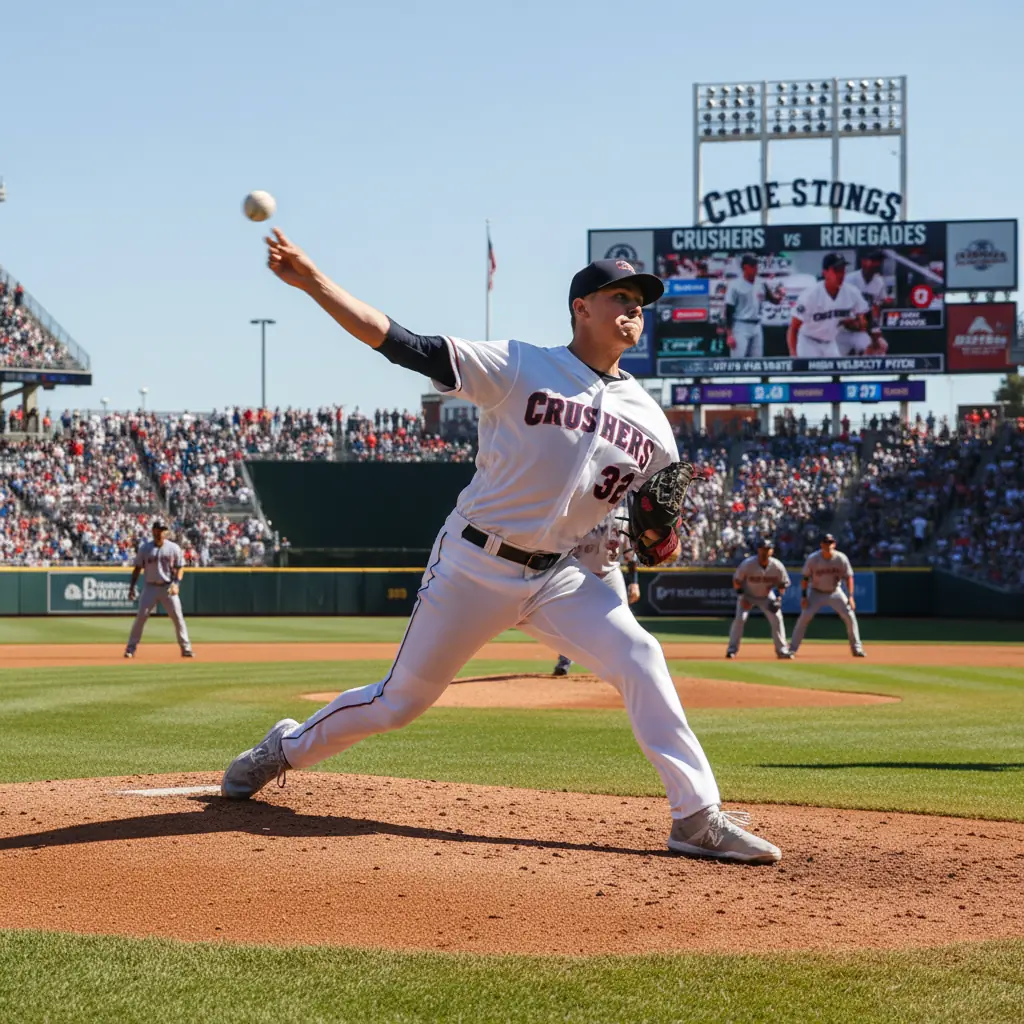
Notable Perfect Games in MLB History
The annals of Major League Baseball history are filled with incredible feats of athleticism and strategy, but few achievements stand as tall as a perfect game. A perfect game is a performance where a pitcher completes a game without allowing a single batter to reach base. No hits, no walks, no errors – just flawless dominance from start to finish. Here are some notable moments when pitchers achieved the pinnacle of pitching perfection.
Don Larsen’s Improbable World Series Gem
Perhaps the most iconic perfect game in baseball history belongs to Don Larsen. On October 8, 1956, in Game 5 of the World Series between the New York Yankees and the Brooklyn Dodgers, Larsen achieved the unthinkable. In front of a packed Yankee Stadium, he retired all 27 Dodgers batters he faced, securing the only perfect game in World Series history. The improbable nature of Larsen’s feat – he wasn’t even considered the Yankees’ ace at the time – only adds to its legendary status.
Domingo Germán’s Recent Masterpiece
More recently, Domingo Germán etched his name into the record books with a perfect game on June 28, 2023, pitching for the New York Yankees against the Oakland Athletics. Germán’s performance was a reminder that even in the modern era, with its emphasis on offense, pitching brilliance can still reign supreme. This was the fourth perfect game in Yankees history, tying them with the most in MLB.
Other Historic Perfect Games
While Larsen’s and Germán’s perfect games stand out for their context, numerous other pitchers have achieved this rare feat. Some other historic perfect games include:
- Cy Young (1904): The namesake of the Cy Young Award, Young pitched the first perfect game of the modern era.
- Addie Joss (1908): Joss’s perfect game was a 1-0 victory, showcasing his incredible efficiency.
- Jim Bunning (1964): Pitched a perfect game for the Philadelphia Phillies on Father’s Day.
- Sandy Koufax (1965): The Dodgers legend threw a perfect game against the Chicago Cubs, cementing his legacy.
- Randy Johnson (2004): At 40 years old, Johnson became the oldest pitcher to throw a perfect game.
Each perfect game is a unique story of skill, determination, and a little bit of luck. They are moments that transcend the sport and become part of baseball’s collective memory.
The Future of Perfect Games: Rule Changes and Evolving Strategies
The landscape of baseball is in constant flux, and recent MLB rule adjustments are poised to significantly reshape the game. The introduction of the pitch clock and restrictions on defensive shifts are designed to inject more action and offense into the sport. These changes could have a profound effect on the frequency of baseball’s most elusive achievement: the perfect game.
The pitch clock, intended to speed up the pace of play, may indirectly benefit hitters by forcing pitchers to work faster and potentially make more mistakes. Shift restrictions, limiting infielders’ positioning, should open up more holes in the defense, leading to more base hits. An increase in offensive production could make it even more challenging for pitchers to maintain the flawless performance required for a perfect game.
Conversely, continued advancements in pitching development, focusing on velocity and specialized pitches, could counteract these offensive advantages. It remains to be seen whether the rise in offense or the improvement of pitching will win. Predicting the future is hard. However, the scales are slightly tilted toward perfect games becoming a bit rarer as MLB continues to look for new ways to put the ball in play more often.
Conclusion
The perfect game in baseball stands as a monumental achievement, a convergence of peak athletic performance and sheer fortune. Throughout baseball history, only a select few pitchers have attained this pinnacle, demonstrating the exceptional skill and unwavering focus required. While talent is undeniable, the influence of luck—a favorable bounce, an umpire’s call, or an opponent’s misjudgment—cannot be dismissed. The alignment of these elements transforms a challenging feat into a near impossibility. The perfect game’s rarity is a testament to its difficulty. Only a small number of perfect games exist, solidifying its special place in baseball lore. It remains an inspiring symbol of excellence for players and fans alike.