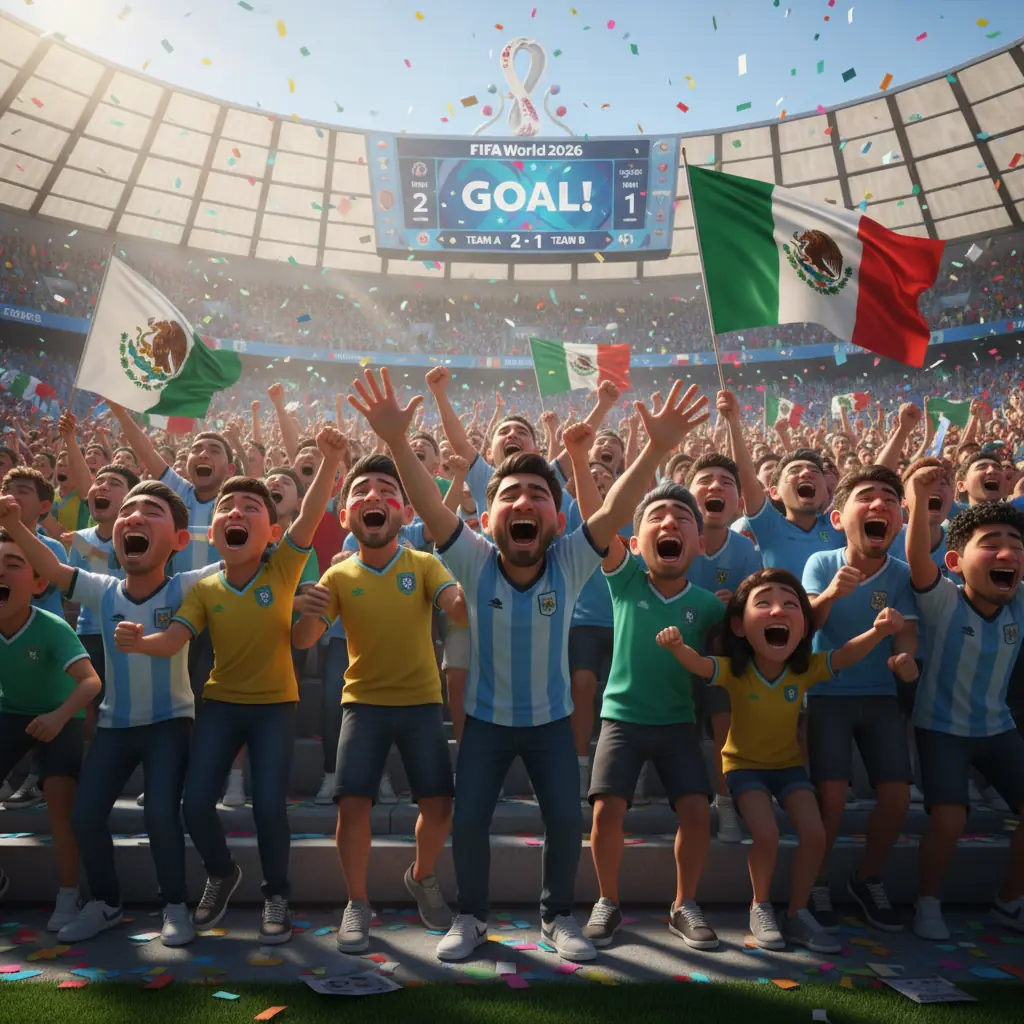
The roar of the crowd, the electric energy in the air, the collective gasp as the ball hurtles towards the net – the FIFA World Cup is more than just a sporting event; it’s a global phenomenon. And 2026? It’s poised to be the biggest, boldest, and most brand-accessible World Cup in history. Staging throughout North America, the World Cup 2026 is expanding its reach and, in turn, magnifying the marketing potential for brands worldwide.
Imagine your brand resonating with billions across cultures and continents. This isn’t just about slapping a logo on a banner; it’s about crafting authentic connections, fostering genuine engagement, and becoming part of a shared global narrative. The sheer scale of the audience combined with the fervent passion of football fans creates an unparalleled marketing opportunity.
Navigating this landscape requires savvy, strategic thinking, and a clear understanding of what resonates with a diverse, digitally-connected audience. This article will serve as your guide, unpacking the key elements that will define successful marketing campaigns during the World Cup 2026 and beyond. This is where brands can truly shine, forging legacies that extend far beyond the final whistle.
Why the 2026 World Cup is a Marketing Goldmine
The 2026 World Cup, hosted across North America, isn’t just a sporting event; it’s a marketing goldmine waiting to be tapped. Its unparalleled visibility, extensive reach, and sky-high audience engagement create prime opportunities for brands spanning diverse industries. Forget just sports apparel and beverage giants; this is a stage where businesses of all kinds can shine.
Consider the numbers: projected viewership reaching billions globally and millions packing stadiums across the continent. The economic impact is predicted to be staggering, injecting billions into local economies. These figures translate directly into ROI potential for savvy marketers. The sheer scale of the event guarantees brand visibility on a level rarely seen.
Furthermore, soccer’s popularity is exploding in North America, particularly among younger demographics, who are known for their brand loyalty and social media engagement. This presents a unique opportunity to connect with a valuable and growing consumer base. But the opportunities are expansive, stretching far beyond traditional World Cup sponsors.
Even B2B brands can leverage the buzz, hosting client events, sponsoring industry-related content, or using the World Cup as a backdrop for networking and relationship building. Partnering with local soccer organizations, regional tournaments leading up to the main event, or even fan-driven platforms can also yield significant returns. The key is to think creatively and tap into the passion surrounding the beautiful game. The 2026 World Cup is more than just a tournament; it’s a cultural phenomenon and a marketing playground with boundless potential.
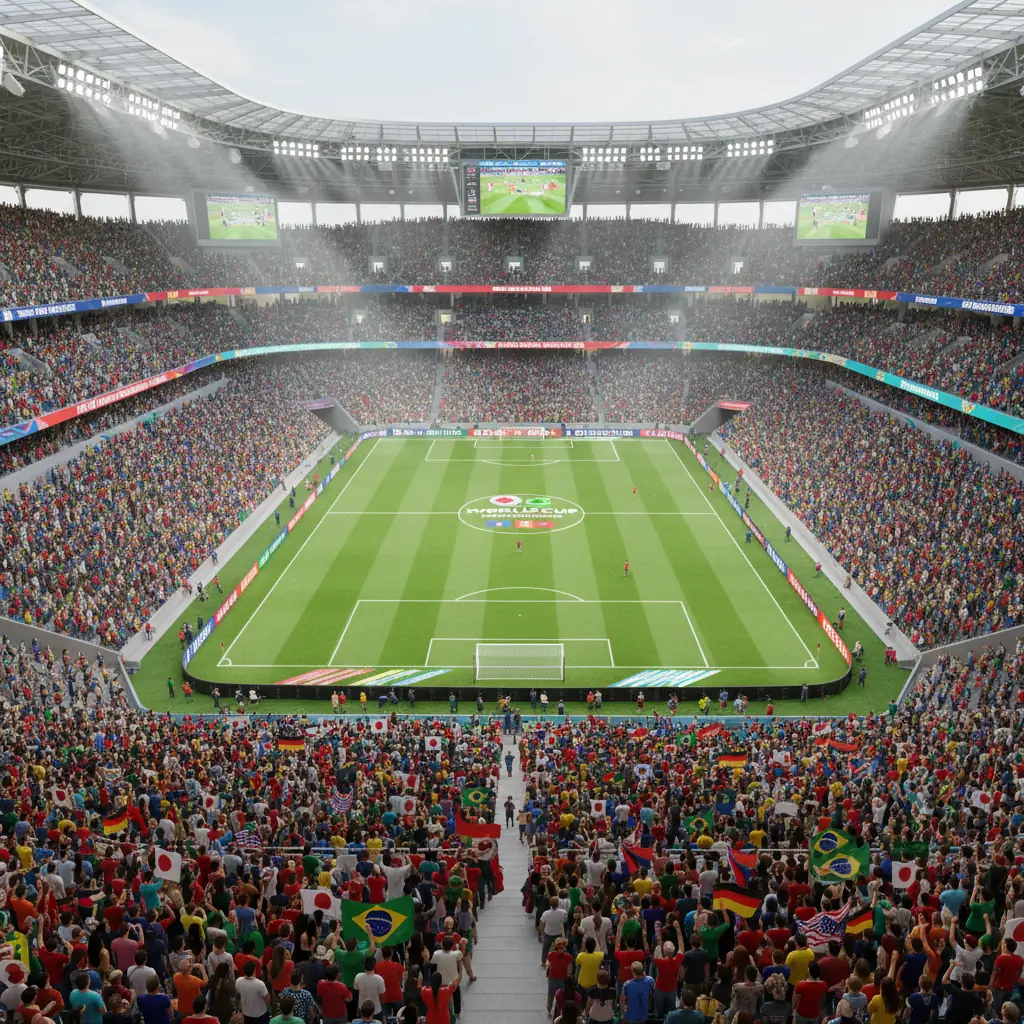
Understanding the 2026 World Cup Audience
Key Demographics and Their Motivations
Understanding the football fan is paramount. The key demographics are diverse, spanning generations, locations, and socioeconomic backgrounds. Motivations vary wildly too. For some, it’s pure national pride; for others, the thrill of competition or the social connection of supporting a team. Demographics such as Gen Z craves experiences and authenticity while Millennial fans value engagement and social responsibility. Successful marketing campaigns tap into these existing passions, showcasing shared values and fostering a sense of community around the beautiful game. For example, campaigns highlighting sustainability efforts might resonate strongly with younger demographics, while promotions emphasizing tradition and heritage may appeal to older fans.
Success in the 2026 World Cup doesn’t solely hinge on the players’ performance on the field; it also depends on understanding the audience in the stands and beyond. The key is to target the marketing messages so they resonate with specific fan segments.
Fan segmentation is key, breaking down the immense crowd into manageable groups based on demographics like age, location, and gender. Psychographics also play a crucial role, considering interests, values, and lifestyles. What motivates a Gen Z fan in the United States might be radically different from a Millennial supporter in Mexico. Further complicating matters are cultural nuances. The passion for ‘fútbol’ in Latin American markets, for example, often goes beyond a simple sporting interest; it’s intertwined with national identity and family traditions.
Brands that have stumbled often do so by applying a one-size-fits-all approach. A campaign that emphasizes individual achievement might fall flat in a culture that prioritizes collective success. On the other hand, brands that take the time to understand and respect these differences can forge powerful connections. Consider the impact of the expanded 48-team format; it’s likely to bring in new fans from nations that haven’t traditionally been soccer powerhouses and that means new opportunities, new cultures, and new marketing challenges.
Strategic Marketing Approaches for World Cup 2026
The World Cup 2026 presents a monumental opportunity for brands to connect with a global audience, but success hinges on more than just slapping a logo on a banner. A winning marketing strategy demands a blend of authenticity, data-driven precision, and emotionally resonant messaging. Brands need to move beyond superficial endorsements and delve into genuine brand storytelling that reflects the passion and values inherent in the beautiful game.
At the heart of any effective campaign lies a deep understanding of the target audience. This is where data-driven marketing becomes indispensable. By leveraging data analytics, brands can identify distinct audience segments, understand their preferences, and tailor messaging accordingly. It’s no longer enough to simply broadcast; targeted advertising ensures that the right message reaches the right fan at the right time, maximizing impact and minimizing wasted resources. This involves analyzing demographics, browsing behavior, social media engagement, and purchasing patterns to build comprehensive customer profiles.
While data provides the roadmap, emotional intelligence fuels the engine. The World Cup is an emotional rollercoaster, a spectacle filled with moments of elation, heartbreak, and national pride. Advertising that taps into these emotions tends to resonate more profoundly with fans. Look at campaigns of yesteryear that focused not just on the sport, but on the human stories behind it – the dreams, the dedication, and the shared experience that brings people together. These campaigns understood that soccer is more than just a game; it’s a cultural phenomenon.
In the fast-paced world of social media, agility is key. World Cup 2026 marketing strategies need to be adaptable, responding in real-time to emerging trends, unexpected events, and viral moments. Content marketing should be dynamic and engaging, sparking conversations and fostering a sense of community among fans. This means being prepared to pivot, adjust messaging, and capitalize on opportunities as they arise. Brands that can connect with emotionally engaged audiences through authentic and timely content will be best positioned to score big.
Brand Activation Ideas for Maximum Impact
In today’s crowded marketplace, simply having a great product or service isn’t enough. Brands need to create memorable experiences that resonate with their target audience and forge lasting connections. This is where brand activation comes in – a dynamic strategy designed to bring your brand to life and ignite engagement.
Experiential Marketing: Creating Immersive Fan Zones
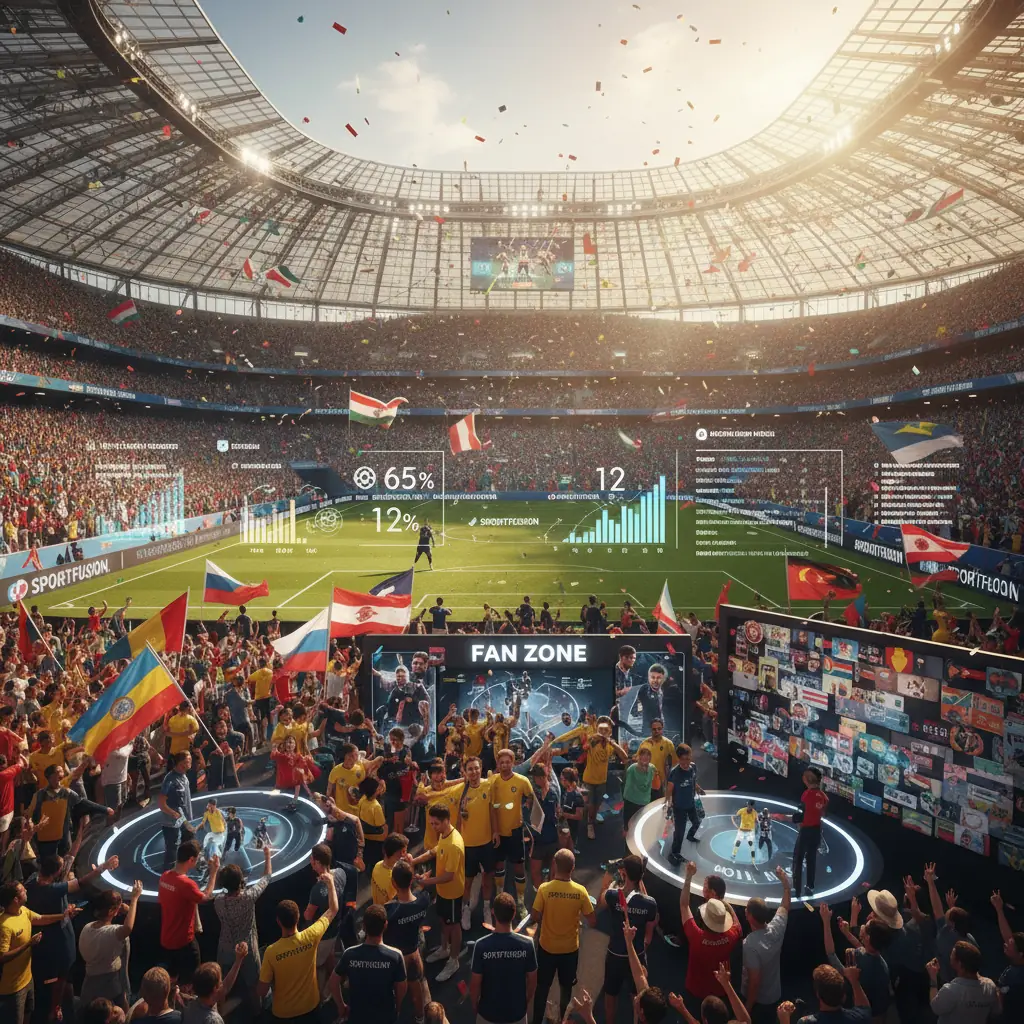
Experiential marketing lies at the heart of successful brand activation. Think beyond traditional advertising and craft interactive experiences that immerse consumers in your brand’s world. Consider setting up fan zones at major sporting events or concerts, offering interactive games, photo opportunities, and exclusive product demos. These zones allow potential customers to interact directly with the brand and build positive memories.
Super Bowl Success Stories: Learning from the Best
The Super Bowl is a prime example of brand activation done right. Several brands have achieved remarkable success through innovative campaigns. For instance, one brand created huge interactive advertising that allowed fans to virtually “catch” a football thrown by their favorite player. Another successful strategy involved partnering with a popular food brand to create a ‘game day’ recipe contest, driving user engagement and generating valuable content. These successful activations share a common thread: they deliver engaging, shareable experiences that extend far beyond the game itself.
Unleashing User-Generated Content (UGC)
Encourage your audience to become brand advocates by incentivizing user-generated content. Run contests that ask customers to share their experiences with your product or service on social media, then reward the most creative submissions. UGC adds authenticity to your brand narrative and leverages the power of word-of-mouth marketing.
Digital Activations: Contests and Social Media Campaigns
Extend your brand activation efforts into the digital realm with online contests and engaging social media campaigns. Run polls, quizzes, and interactive games on social media platforms to capture attention and drive traffic to your website. Don’t forget to tap into the power of video marketing by creating short, shareable videos that showcase your brand’s personality and values.
The Power of Partnerships: Influencers and Athletes
Collaborate with influencers and athletes who align with your brand’s values. These individuals wield significant influence over their followers and can help amplify your message to a wider audience. Consider partnering with a local soccer organization to sponsor youth leagues or host community events. This type of localized activation can provide a sense of community.
Embracing Virtual and Augmented Reality
Virtual and augmented reality technologies offer exciting new possibilities for brand activation. Imagine allowing customers to virtually “try on” your products or explore your store from the comfort of their own homes. These immersive experiences can create a lasting impression and drive sales.
Measuring Success: KPIs for World Cup Campaigns
To truly know if your World Cup campaign resonated with your target audience, it’s essential to meticulously track key performance indicators (KPIs). This isn’t just about vanity metrics; it’s about understanding what worked, what didn’t, and how to fine-tune your strategy for future events. Think of KPIs as the compass guiding your marketing ship towards success.
Before diving into the data, clearly define your campaign objectives. Are you aiming to boost brand awareness, drive website traffic, generate leads, or increase sales? Each objective requires different KPIs to measure progress accurately. For instance, if brand awareness is your goal, track metrics like impressions, reach, and social media mentions. A surge in these areas shows that your message is effectively penetrating the market.
Consider website traffic a core KPI. Monitor the number of visits, bounce rate, time spent on pages, and conversion rates. An increase in traffic coupled with a low bounce rate indicates that your campaign is attracting relevant visitors. If you’re running social media promotions, scrutinize engagement metrics like likes, shares, comments, and follower growth. These actions reflect how well your content is resonating with your audience. Don’t forget about lead generation! Track the number of leads generated, their quality, and their conversion rate into customers. This KPI reveals the direct impact of your campaign on sales.
Furthermore, use A/B testing to optimize your campaign continuously. Experiment with different ad creatives, messaging, and targeting parameters to identify what resonates most with your audience. Measuring ROI is the ultimate test of your campaign’s success. Calculate the revenue generated versus the expenses incurred. For example, impressions shows the number of times your ad was displayed, but also you can consider the new followers as an indicator if your strategy is working and followers can be potential clients.
Conclusion
The 2026 World Cup presents an unprecedented opportunity for brands to connect with a massive, passionate audience. Success hinges on a well-defined marketing strategy, fueled by data-driven insights and a deep understanding of the modern soccer fan. By prioritizing authentic engagement, crafting compelling narratives, and leveraging innovative technologies, brands can cut through the noise and leave a lasting impression. The key is to move beyond traditional advertising and create meaningful experiences that resonate with fans on a personal level.
This tournament isn’t just about soccer; it’s about building relationships and fostering brand loyalty. If you need help navigating this exciting landscape and maximizing your World Cup 2026 marketing potential, feel free to reach out. We are always ready to help!