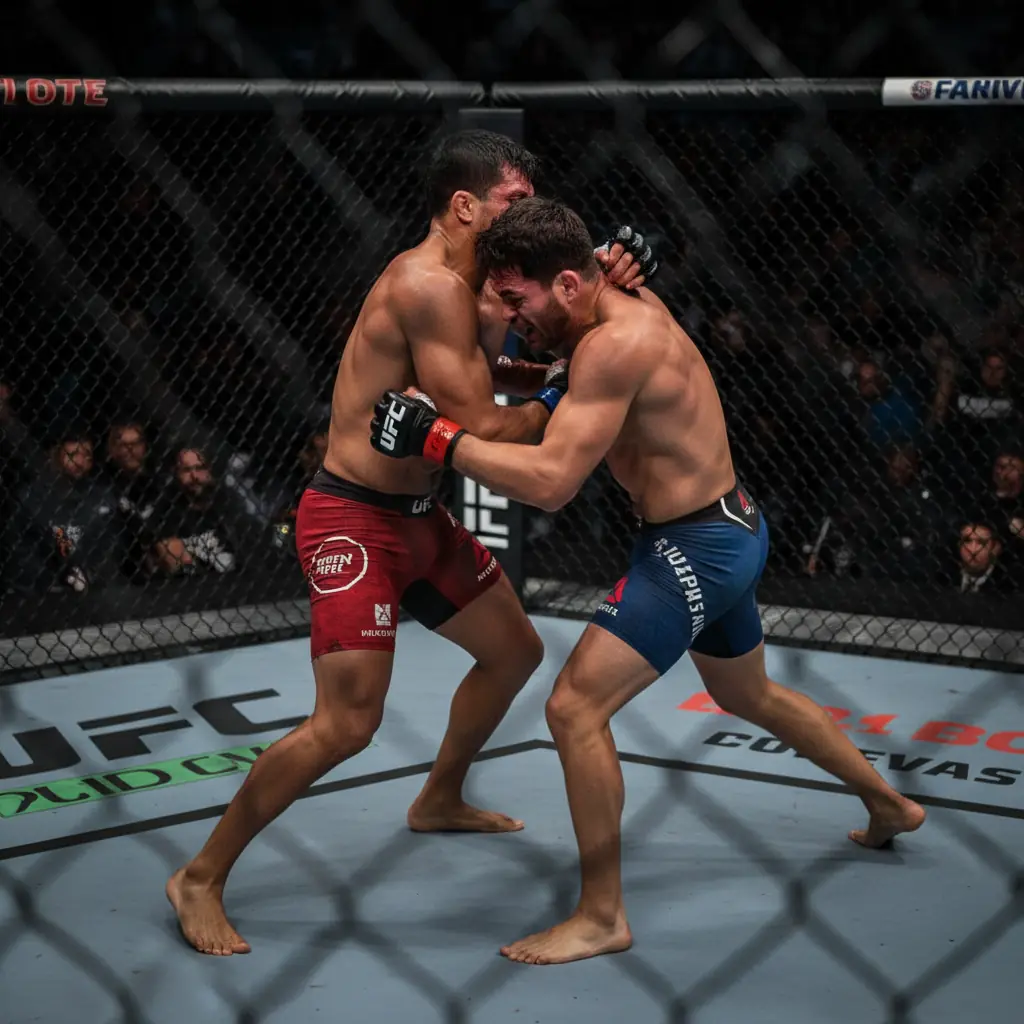
UFC live betting presents a thrilling, fast-paced arena for those looking to amplify the excitement of fight night and, more importantly, seize lucrative opportunities. While predicting the outright winner garners much attention, an often-overlooked goldmine lies within betting on fight decisions. The catch? It’s a complex puzzle demanding more than just fight knowledge. Successfully navigating this landscape requires a keen understanding of judging criteria, fighter tendencies, and the ever-shifting dynamics within the octagon.
Forget simply picking who youthink* will win. Live betting on decisions forces you to dissect the fight in real-time. Is one fighter consistently landing takedowns but failing to inflict damage? Is another dictating the pace with superior striking, even if they’re absorbing a few blows? These nuances are crucial. The unpredictable nature of MMA judging adds another layer of complexity. No two judges score identically, injecting subjectivity into the equation.
I’ve seen this firsthand. During a recent card, I watched a fighter known for his relentless pressure and ground control start strong but visibly tire in the later rounds. While his opponent didn’t secure a knockout, the shift in momentum was undeniable. Reading the fight dynamics, I placed a live bet on the underdog to win by decision, anticipating the judges would favor his late-round dominance. The result? A profitable win born from understanding fight trends and judging tendencies. The opportunity is there. But the key is learning how to spot the telltale signs that point towards a decision victory — and then acting on them swiftly.
Understanding UFC Judging Criteria
UFC judging operates on a codified system, yet remains a point of constant debate. To understand fight outcomes, it’s crucial to grasp the official judging criteria outlined in the unified rules of mixed martial arts. These rules are interpreted under the 10-point must system, but the weight a judge assigns to different criteria is an inexact science. Effective striking and grappling, octagon control, and aggression all play a role, but their relative importance can shift from judge to judge. The criteria are weighted by the unified rules, but they are in place to be broken down, leading to plenty of debate to be had about all fights that reach the judge’s decision.
The 10-Point Must System
The 10-point must system is the foundation of modern MMA scoring. At the end of each round, a judge must award one fighter 10 points and the other fighter 9 points or less. A 10-9 round indicates a clear winner, with one fighter demonstrating superior performance. A 10-8 round signifies a dominant round, where one fighter significantly outclassed their opponent in striking, grappling, or control. A 10-7 round is rare. It indicates near-fight ending dominance. The subjectivity is in judging if the dominance is a clear 10-8 or a very one-sided 10-9.
Prioritizing Criteria: What Judges Really Look For
While the official rules outline the criteria, the practical application often depends on the individual judge. Effective striking often takes precedence, as visible damage tends to leave a lasting impression. Octagon control, while important, can be subjective. Is it truly effective control, or simply backing away? Grappling is similar, as near submission attempts can be prioritized over extended periods of control. I once saw a fight where one fighter clearly controlled octagon, but the other landed heavier shots, and it swayed my bet to fail. This is why recognizing these biases is vital to betting and is difficult to predict, because two judges may weight things completely different.
The Psychology of Judging and Betting
The mixed martial arts (MMA) world often grapples with the frustrating subjectivity inherent in judging decisions. It’s a reality that can significantly impact betting outcomes and fan satisfaction. UFC judging bias is a frequent topic of debate, with fans and analysts alike pointing to instances where decisions seem questionable at best. Whether it’s a perceived bias toward a particular fighting style, favoritism, or simply a misinterpretation of the fight’s flow, these inconsistencies are undeniable. Referee bias, though less frequent, also plays a role. Observing questionable calls throughout the years, it becomes clear that understanding these subjective elements is crucial for any serious MMA bettor.
Understanding The Impact of Social Proof
Social proof, a psychological phenomenon where people conform to the actions of others under the assumption that those actions are reflective of correct behavior, can significantly influence UFC judging. The roar of the crowd, the commentary team’s enthusiastic support for a fighter, all can create pressure on the judges, swaying their perception. Recognizing the potential impact of such factors facilitates an informed strategy, particularly when engaging in live betting.
Understanding How Personal Bias Impacts
Judges, like everyone else, are individuals with their own personal experiences, beliefs, and biases. Imagine if a judge had a family emergency the day of the fight or perhaps a pre existing dislike of a certain accent. It’s important to acknowledge that these factors can unconsciously seep into the judging process, influencing their assessment of a fight. Awareness of these potential influences allows for a more nuanced understanding of MMA outcomes.

Recognizing Fight Patterns and Momentum Shifts
Savvy betting in the fight game isn’t just about picking the favorite; it’s about understanding the ebb and flow of combat. It’s about recognizing fight patterns that point towards a likely outcome. Look at a fighter known for their grappling. If they consistently secure takedowns in the early rounds, that’s a strong signal. Judges reward control. Personally, I’ve seen instances where a grappler, even if not inflicting massive damage, banked enough octagon control time early on to secure a decision, even when the striker rallied late.
More crucial than static patterns is identifying momentum shifts. These swings can completely alter the complexion of a fight, and with it, your betting strategy. A seemingly dominant striker getting repeatedly taken down signals a potential shift. The grappler is imposing their will, dictating the terms of engagement, and wearing down their opponent.
Identifying Dominant Performances Early On
Don’t underestimate the power of early signs. In the UFC, the first round can often set the tone for the entire fight. Is one fighter dictating the pace? Are they landing the more significant strikes, or controlling the grappling exchanges? These early rounds are critical indicators to assess dominance, and the bets are placed accordingly. I remember one fight where a relative unknown came out and absolutely overwhelmed a ranked opponent in the first three minutes. The initial odds were completely flipped by the end of that round, and rightfully so. Recognizing that early dominance is key.
Key Indicators
Keep your eyes peeled for these key indicators during a live fight; they can reveal subtle, but critical shifts in momentum:
- Near Finish:A fighter survives a near knockout or submission. This not only shows resilience but can also ignite a fire within them, leading to a sudden counter-attack.
- Takedown Defense: A previously successful grappler suddenly struggles to secure takedowns. This can indicate fatigue.
- Striking Change: A fighter adjusts their striking strategy.
Reading fights is an art form, but practice will sharpen it. Learn to see beyond the highlight reel moments and focus on the subtle cues. You’ll start seeing opportunities where others only see chaos.
Developing a Live Betting Strategy for Decisions
Crafting a profitable live betting strategy for UFC decisions requires a blend of meticulous pre-fight research and real-time adaptability. A successful approach hinges not only on understanding the fighters but also on interpreting the ebbs and flows of the fight itself and the subtle nuances of the betting market. Years of experience have shown that a systematic approach is crucial for long-term profitability. This involves rigorous pre-fight analysis, disciplined stake management, and the ability to react intelligently to the evolving dynamics of a live fight. Recognizing value in the odds, especially as they fluctuate during a fight, is the hallmark of a sharp live bettor. Embrace the chaos, but do so with a plan.
Pre-Fight Analysis: Laying the Groundwork
Solid pre-fight analysis is the bedrock of a sound betting strategy. Begin by diving deep into fighter statistics and fight records. Resources such as Fight Matrix, Tapology, and the official UFC stats page offer a wealth of data. Pay close attention to win/loss ratios, common methods of victory or defeat (knockout, submission, decision), and the strength of schedule of each fighter. For instance, consider a fight where both competitors exhibit strong grappling skills but lack significant knockout power, for example Beneil Dariush vs. Drew Dober – this kind of style matchup often has a higher probability of going to a decision. Thorough research provides the context needed to identify value bets before the opening bell.
Live Fight Adjustments: Adapting to the Action
The real magic happens during the live fight. Watch the movement of the live odds and adjust your strategy based on momentum shifts, visible injuries, and any discernible judging tendencies. If a fighter known for their striking suddenly starts wrestling, or if they appear to be tiring early, this can drastically alter the likelihood of a decision. Observing the fight as it unfolds allows you to capitalize on rapidly changing odds and exploit inefficiencies in the market. Remember that real-time analysis, coupled with pre-fight knowledge, empowers you to make informed decisions under pressure. Years in this area will help you grow a lot.
Advanced Techniques and Tools
To elevate betting analysis to a more professional level, a combination of technology, specialized resources, and expert insights is often implemented. Advanced strategies involve more than just glancing at fight records; it requires a deep dive into fighter statistics, fight dynamic simulations, and employing predictive algorithms.
Specific software tools can dissect fight footage, identifying tendencies and vulnerabilities that might be invisible to the casual observer. Resources such as detailed fighter profiles, performance metrics, and historical fight data provide the foundation for informed predictions. Expert analysis, often sourced from seasoned MMA analysts, offers nuanced perspectives on fighter psychology, game plans, and potential in-fight adjustments.
Statistical models could be created to simulate fight outcomes based on a range of variables, offering a probabilistic view of potential scenarios. By merging these technological capabilities, specialized resources, and seasoned expert analysis, one can achieve a far more sophisticated and potentially successful betting strategy.
Case Studies: Analyzing Past Fights
Delving into past UFC and MMA fights provides invaluable lessons for aspiring bettors. Case studies offer a practical approach, dissecting specific matchups to reveal the critical factors influencing outcomes. By analyzing these instances, one can identify recurring patterns, strategic advantages, and common pitfalls to avoid when placing bets.
A thorough analysis of past fights goes beyond simply noting the winner and loser. It involves scrutinizing fighter statistics, fight footage, pre-fight interviews, and expert commentary. This comprehensive approach allows bettors to understand the context surrounding each fight and make more informed predictions.
Examining case studies also highlights the mistakes that people often make when betting on UFC and MMA. These errors can range from overlooking crucial fighter statistics to relying too heavily on hype or personal biases. Through carefully curated case studies, bettors can learn to recognize and avoid these common traps, ultimately improving their chances of success.

Common Mistakes and Pitfalls to Avoid
Diving into UFC betting can be exhilarating, but it’s easy to stumble. Many bettors, from novices to seasoned gamblers, fall into predictable traps. One of the most common UFC betting mistakes is letting emotions cloud judgment. Fandom can be blinding; just because someone is a die-hard fan of a particular fighter doesn’t mean they should bet on them regardless of the odds or the opponent’s strengths. Objectivity is paramount.
Another frequent error is neglecting in-depth research. Simply looking at a fighter’s win-loss record is insufficient. A deeper dive is necessary, considering factors like fighting style, recent performances, injuries, and the strength of previous opponents. Similarly, underestimating the importance of weight classes and matchups leads to misinformed bets. A fighter dominant in one weight class might struggle against larger, stronger opponents in another. Overlooking these details increases the likelihood of making poor betting decisions.
Platform Selection and Bankroll Management
Selecting the right platform is paramount for a successful UFC betting experience. Consider factors like user interface, available betting options, competitive odds, and security measures. Look for platforms that offer a wide variety of UFC bets, including moneylines, over/unders, prop bets, and live betting options. A user-friendly interface will make navigating the site and placing bets easier. Competitive odds are essential for maximizing potential payouts. Finally, ensure the platform is reputable and employs robust security measures to protect your personal and financial information.
Effective bankroll management is crucial for long-term success in UFC betting. Determine a specific budget solely for betting and avoid exceeding it. A common strategy is to wager only 1-5% of your bankroll on each bet. This approach helps to withstand losing streaks and preserve capital. It’s also wise to avoid chasing losses by increasing bet sizes after a loss. Disciplined bankroll management is key to sustainable and enjoyable UFC betting.
Conclusion
Live betting on UFC decisions presents a unique avenue for potentially profitable wagering, especially for those who take the time to understand the nuances of MMA strategy. From assessing fighters’ styles and in-fight tendencies to capitalizing on real-time shifts in momentum, the insights shared here can equip you to make more informed and strategic bets.
Now, it’s time to put this knowledge into action. Analyze upcoming UFC fights, study the fighters, and watch for opportunities to apply these expert tips. Remember, successful UFC live betting isn’t about luck; it’s about informed decision-making. Embrace the challenge, trust your judgment, and may your wagers be victorious!
Having spent years immersed in the world of MMA and combat sports, I’ve learned that the most rewarding betting strategies are those rooted in deep understanding and disciplined execution.