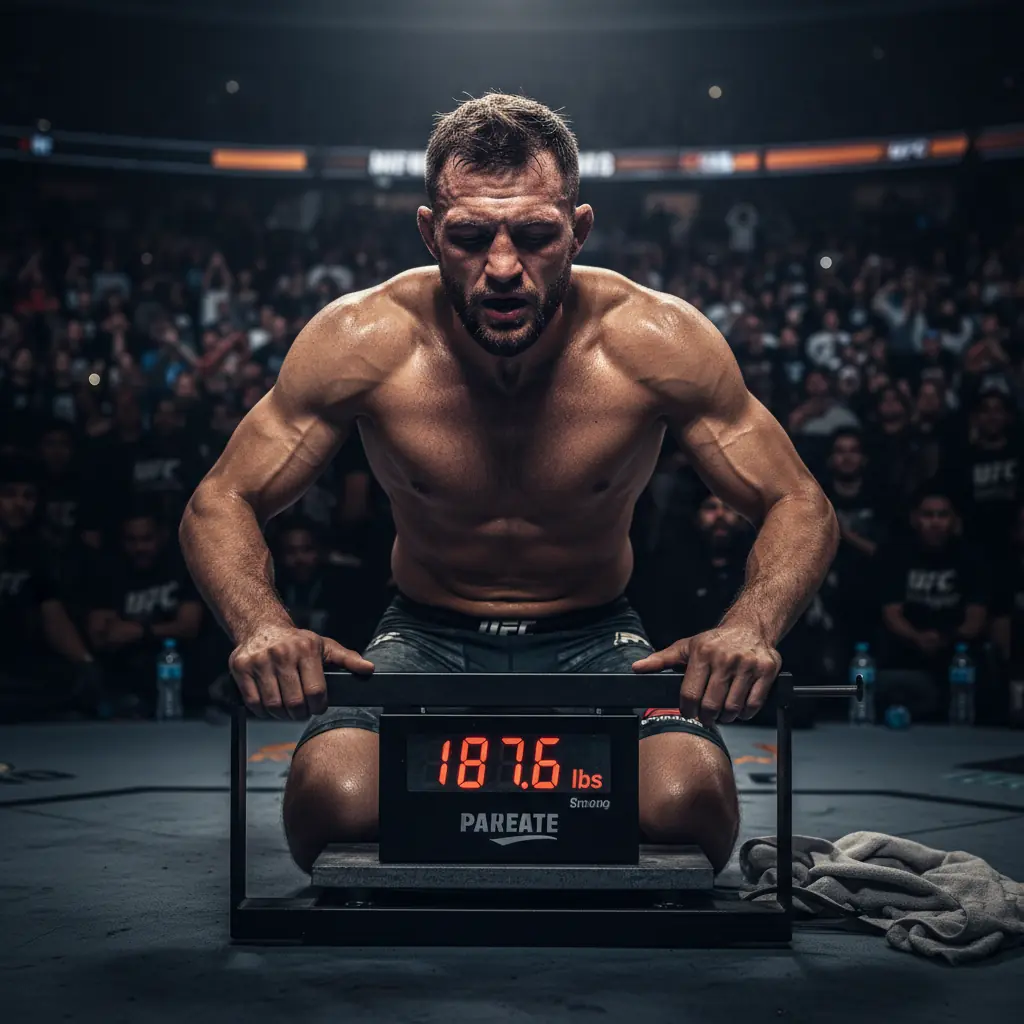
The roar of the crowd, the staredown intensity – UFC weigh-ins are theater. But lately, they’ve become a stage for something else: missed weight. Remember when XYZ fighter missed weight at the last big event, sending shockwaves through the MMA world? These aren’t isolated incidents; they’re becoming increasingly common. Many fans think a pound or two is no big deal, but the truth is, missed weight can drastically impact a fight’s outcome. As someone who’s been analyzing UFC fights and betting odds for years, I’ve seen firsthand how this impacts the betting landscape. And the savvy bettor can capitalize on it.
Understanding the Weigh-In Process and Penalties
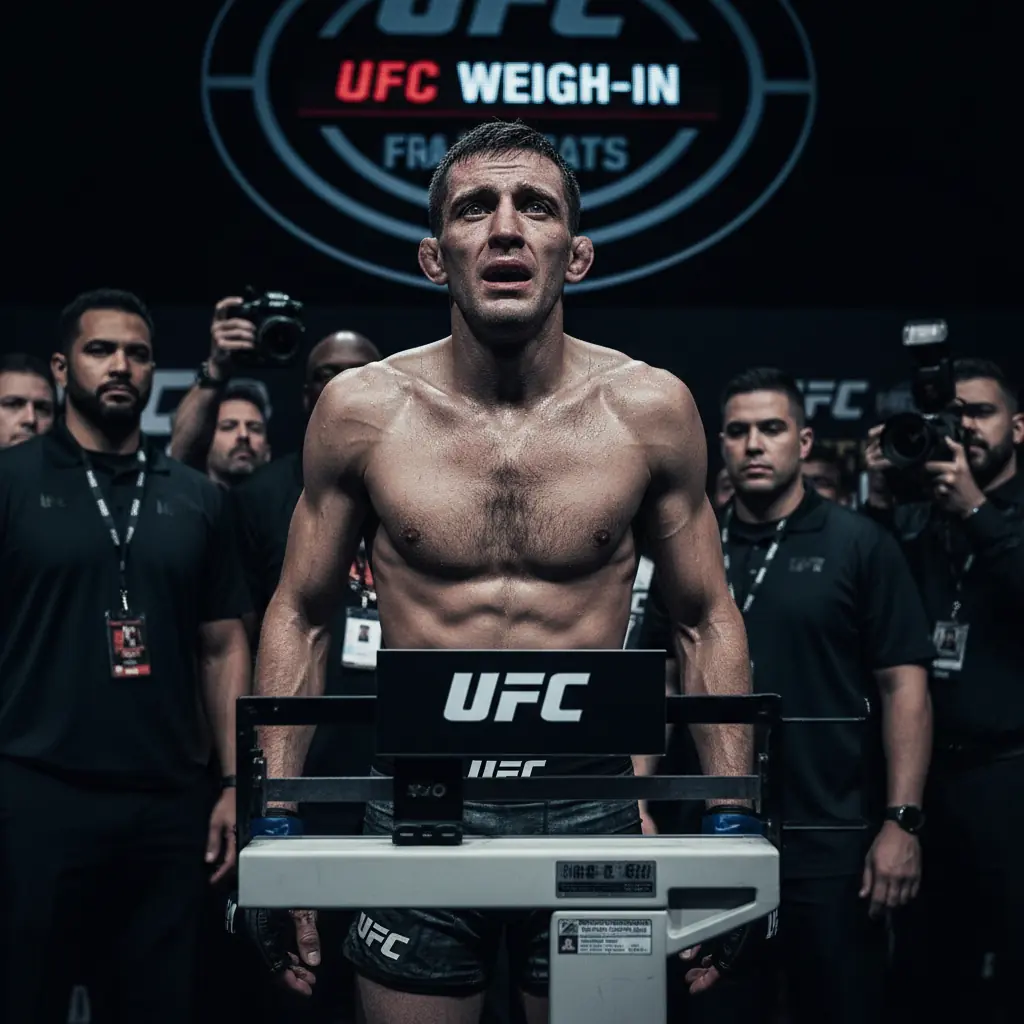
The UFC weigh-in is a critical event, a tense prelude to the actual fight. It’s where fighters officially declare their readiness, proving they’ve successfully navigated the grueling process of weight cutting. Typically, weigh-ins happen the morning before the fight, allowing athletes to rehydrate and refuel before stepping into the Octagon.
Making weight is non-negotiable. For championship bouts, fighters must hit the exact weight limit. Non-title fights usually allow a one-pound allowance. If a fighter exceeds the limit, penalties kick in fast. The most common consequence is a financial one: a percentage of the fighter’s purse, sometimes a significant chunk, goes directly to their opponent. This can instantly shift the dynamic, adding pressure and resentment into the mix.
Furthermore, failing to make weight can impact the fight itself. The athletic commission can decide against the fight altogether, disappointing fans and ruining carefully laid plans. Even if the fight proceeds, the fighter who missed weight may be at a disadvantage. They might be fatigued from a bad weight cut, or their opponent might enter the cage with a psychological edge, knowing they already “won” a battle.
From a betting perspective, the weigh-in is a goldmine of information. A fighter looking drawn and weak after a tough weight cut might be worth fading, regardless of their pre-weigh-in odds. Conversely, a fighter who looks strong and healthy could be a worthwhile investment. Unexpected changes to the fight card, or even late rule adjustments, can also create opportunities. A savvy bettor adjusts strategy accordingly, recognizing that the weigh-in is far more than a mere formality, it’s a key indicator of what’s to come. Keep in mind that any incident occurring during this stage needs consideration for a more cautious betting strategy.

The Impact of Missing Weight: Physiological and Psychological
Extreme weight cutting and the failure to make weight can have devastating consequences for a fighter, impacting both their physical and mental capabilities inside the octagon. The physiological effects of drastic dehydration, often employed to shed pounds rapidly, are significant. A fighter’s strength and endurance can be severely diminished, leaving them weakened and vulnerable. Cognitive function also suffers, impairing reaction time, decision-making, and overall awareness, all crucial for success in a fight. Furthermore, dehydration reduces the body’s natural resilience, making the fighter more susceptible to knockouts and injuries.
The psychological toll of a missed weight cut is equally damaging. The intense stress and anxiety leading up to the weigh-in, coupled with the disappointment and shame of failure, can erode a fighter’s confidence. This negative mental state can translate into hesitant performance, impaired focus, and a diminished ability to execute strategies effectively during the fight. Moreover, the opponent’s mental state could be affected. The knowledge that their adversary struggled significantly before the fight can create a shift in the dynamic and offer a mental advantage.
While rehydration strategies are employed after the weigh-in to restore fluid balance, they often cannot fully compensate for the damage already inflicted. The body cannot instantaneously recover from the shock of extreme dehydration, leaving the fighter at a disadvantage, even after rehydrating. Ultimately, missing weight introduces a cascade of negative effects that jeopardize a fighter’s performance and well-being, highlighting the risks associated with aggressive weight-cutting practices in combat sports.
Statistical Analysis: Missed Weight and Fight Outcomes
The Ultimate Fighting Championship (UFC) is a dynamic sport where every detail matters. One often-overlooked aspect is the impact of fighters missing weight. While it might seem like a minor event, historical data reveals a compelling relationship between missed weight and fight outcomes, influencing win rates, methods of victory, and even betting odds.
Examining UFC stats, fighters who miss weight do not always face defeat. Surprisingly, historical data indicates that these fighters often maintain a competitive win rate. The numbers suggest that the fighter who missed weight often secures victory more than one might anticipate. This counter-intuitive outcome warrants deeper analysis.
The method of victory also shows some interesting trends. Data suggests a higher likelihood of finishes—knockouts or submissions—in fights where one participant missed weight. This could be attributed to several factors. The weight-cutting process can be brutal, and a botched weight cut might leave a fighter drained, affecting their cardio and resilience. The fighter who makes weight might capitalize on this weakness, pushing for an early finish. Conversely, the fighter who missed weight might feel compelled to end the fight quickly, knowing their gas tank is compromised, leading them to take more risks and seek a decisive finish.
Betting odds reflect these dynamics. When a fighter misses weight, the odds often shift, making the opponent a slightly bigger favorite. However, astute observers have noted that slight underdogs who miss weight sometimes experience increased success. This could be because the pressure is off, or perhaps because the weight miss was due to adding extra muscle, knowing that they would miss weight anyway. Having observed countless UFC events and analyzed personal betting results, it is evident that these fighters, despite the apparent disadvantage, can be particularly dangerous. The slight boost in odds, combined with their increased determination or physical advantage, can create a unique edge worth considering for those looking to place smart bets.
In conclusion, while missing weight carries penalties and raises questions about professionalism, the data reveals a complex interplay of factors that can significantly impact fight outcomes and betting strategies. By understanding these statistical nuances, fans and bettors alike can gain a deeper appreciation for the unpredictable nature of mixed martial arts.
Developing a Betting Strategy: Incorporating Weigh-In Data
Turning weigh-in data into a profitable UFC betting strategy demands more than casual observation. It requires a keen understanding of what the numbersreally* mean and how they might influence a fight’s outcome. Don’t just blindly jump on the bandwagon of a fighter who looks shredded or dismiss one who seems a little soft. Instead, consider a multi-faceted approach, exploring different bet types and timing your wagers strategically.
Moneyline bets are always a starting point. Does a significant weight discrepancy – either a fighter looking exceptionally drained or one missing weight by a considerable margin – sway the odds enough to shift value? Method of victory props offer more granular opportunities. If a fighter known for cardio struggles at the weigh-in, a bet on their opponent winning by late-round stoppage might become attractive.
Timing matters. Early odds often reflect public perception, meaning astute observation during weigh-ins can provide an edge. Sometimes, lines haven’t fully adjusted to visible changes in a fighter’s physique or the implications of a weight miss. Remember a UFC Fight Night a few years back? A fighter visibly struggled to make weight, looking gaunt and depleted. His moneyline odds barely moved. Recognizing his compromised condition, a bet on his opponent by submission in the second round paid out handsomely when the tired fighter got submitted.
However, approach with cautious optimism. A fighter who “looked great” at the weigh-in can still gas out. Overconfidence is dangerous. Always factor in the opponent’s tendencies and durability. Are they known for exploiting weakness or are they susceptible themselves?
Missing weight can signal problems with the weight cut, potentially impacting cardio and power. But some fighters seem to thrive with the extra weight and perceived advantage, turning a potential negative into a psychological edge. It truly needs to be on a fight-by-fight basis.
Assessing the severity of the miss
A single pound over the limit versus a glaring multi-pound discrepancy carries vastly different implications. A mere pound or two might suggest a minor miscalculation or a last-minute adjustment while five pounds or more likely points to serious issues during the weight cut. Instead of solely focusing on the numerical difference, look at the percentage by which the fighter has exceeded the limit. A 2% overage for a lightweight fighter is comparatively larger than the same overage for a heavyweight.
Examining recent statistics reveals interesting trends. Fighters exceeding weight by a larger percentage often exhibit diminished performance in later rounds, struggling with cardio and power output. This creates an Octagon edge to opponents who made weight, and can effectively be a weight cutting tips for future fighters.
Weight Class
The impact of missing weight varies significantly across different weight classes. In heavier divisions like heavyweight and light heavyweight, a few extra pounds will have less consequence. Power often reigns supreme, and a slight weight advantage is overshadowed by brute strength and knockout potential. A heavyweight who misses weight still can absorb damage.
However, in lighter weight classes—flyweight, bantamweight, and featherweight—every pound is a bigger deal. The margins are thinner. Speed, agility, and cardio are paramount. A depleted lightweight might find it really hard to keep up with opponent pace.
Case Studies: Analyzing Past Missed Weight Fights
Delving into UFC history reveals several compelling case studies where missed weight profoundly impacted fight outcomes and betting dynamics. These instances offer invaluable lessons for astute bettors and provide concrete examples of how weight discrepancies can tilt the balance in unpredictable ways.
One striking example is the fight between Johny Hendricks and Tim Boetsch. Hendricks, known for his wrestling prowess, came in heavy, and looked noticeably drained at the weigh-ins. Boetsch, on the other hand, looked like he gained a strength advantage. The fight ended with Boetsch winning that night, contrary to pre-fight expectations. Bettors who recognized Hendricks’ compromised condition and Boetsch’s advantage were able to capitalize on the shift in momentum.
Another significant case involves Charles Oliveira’s title fight against Justin Gaethje. Oliveira missed weight, which stripped him of the title. According to reports, Oliveira looked depleted and Gaethje showcased confidence. Although Oliveira won the fight, the missed weight led to Oliveira not being eligible to win the title, and changed the betting considerations significantly. Savvy bettors might have focused on prop bets related to the fight’s duration or method of victory, anticipating the impact of Oliveira’s compromised physical state. Gaethje didn’t win the belt that night, but a betting strategy might have been more favorable.
These case studies underscore the importance of not only analyzing fighter statistics and fight tape but also closely monitoring weigh-in results and assessing the potential impact of a missed weight on a fighter’s performance. Recognizing these nuances can provide a crucial edge in predicting fight outcomes and maximizing betting success. Ultimately, the more information you have, the more opportunity you may have to bet successfully in the right avenue.
Advanced Considerations: Hydration, Rehydration, and Fight Night Weight
The drama doesn’t end at the weigh-in. What happens in the hours between stepping off the scale and stepping into the octagon is critical. Rehydration is the name of the game, but it’s a delicate balance. A fighter’s performance can be significantly impacted by how effectively they replenish fluids and electrolytes lost during the weight cut. The goal is a smooth “weight bounce-back,” restoring lost pounds without shocking the system.
Electrolytes, such as sodium, potassium, and magnesium, are not just buzzwords; they’re vital for nerve and muscle function. A well-planned rehydration strategy incorporates these, often through specialized drinks or even carefully chosen foods.
The landscape of rehydration has shifted dramatically. Remember the days of immediate post-weigh-in IV drips? This was a common practice to rapidly replenish fluids. However, the IV ban was implemented to prioritize fighter health and create a more level playing field. Now, fighters need to rely on oral rehydration strategies, making the process more challenging and nuanced.
An essential element is keeping tabs on just how much weight a fighter puts back on between weigh-ins and fight night. The number can provide insights into their weight-cutting strategies and their overall health. For fans and analysts, monitoring a fighter’s social media in the lead-up to a fight – spotting those telltale signs of extreme dieting – can offer clues on whether they’re on track to make weight or are potentially pushing their bodies too far.
Conclusion
Successfully navigating the complexities of UFC betting, especially when overweight fighters are involved, demands a strategic approach. Identifying potential advantages when a fighter misses weight can be tempting, but relying solely on this factor is a recipe for disaster. The key lies in thorough analysis; scrutinize fight history, assess skill matchups, and consider the potential impact of the weight discrepancy on performance and strategy.
Informed betting, fueled by data and a comprehensive understanding of MMA dynamics, is the pathway to profitability. Employ the strategies outlined here – analyze fight metrics, scrutinize fighter tendencies, and understand the nuanced effects of weight cutting. By embracing a data-driven approach and looking beyond surface-level observations, you can significantly improve your odds of success in the unpredictable world of UFC betting. Implement these strategies, stay informed, and transform your UFC betting endeavors into a more calculated and potentially lucrative pursuit.