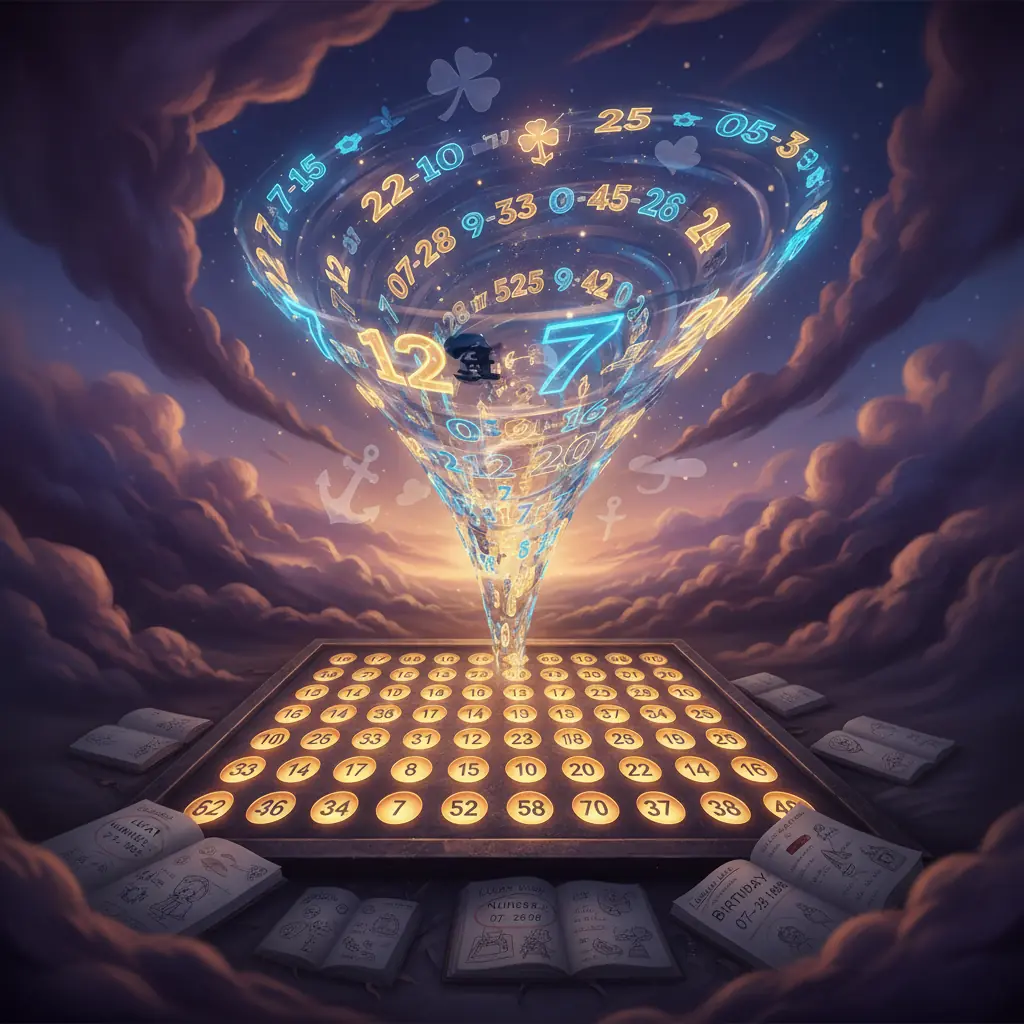
Keno, with its flashing lights and promise of instant riches, holds a certain allure. We’ve all been there, staring at the Keno board, desperately seeking a winning combination. For many, the quest involves complex algorithms, statistical analysis, or simply picking numbers at random. But what if there was a more personalized, dare I say, intuitive approach? That’s where the concept of “dream numbers” comes in.
Dream numbers leverage the unique landscape of your subconscious, transforming significant dates, recurring symbols, and deeply held desires into potential Keno selections. Forget cold, calculated strategies; this is about tapping into your inner well of luck. I’ve spent considerable time exploring various Keno strategies, and I’ve found that incorporating personal elements, like dream interpretation, can add a fascinating and potentially rewarding dimension to the game. I am here to guide you through the process of uncovering your dream numbers and integrating them into a personalized Keno strategy.
Understanding Keno Basics
Keno, at its heart, is a simple game of chance revolving around numbers. Think of it as a lottery-style game where you, the player, get to pick your lucky digits. The standard Keno board features 80 numbers, typically arranged in a grid format.
The gameplay is straightforward. You begin by selecting a set of numbers from that grid. The number of picks you’re allowed usually varies, but it’s often somewhere between 1 and 10 or even 15 numbers. These numbers are your chosen fate, your arsenal in pursuit of a sweet payout.
Once you’ve made your selections, the Keno game then randomly draws a set of numbers – usually 20. The core aim? To match as many of your initially picked numbers as possible with those randomly drawn by the game. The more matches you achieve, the larger the potential payout.
Keno payouts are determined by a payout table, which clearly outlines how much you win based on the number of matches. The odds in Keno are crucial to understand because it’s fundamentally a game driven by randomness. There’s no skill involved, no strategy to master, just pure, unadulterated luck deciding your fate with each draw.
Dream Numbers: What are they and How to Identify Yours
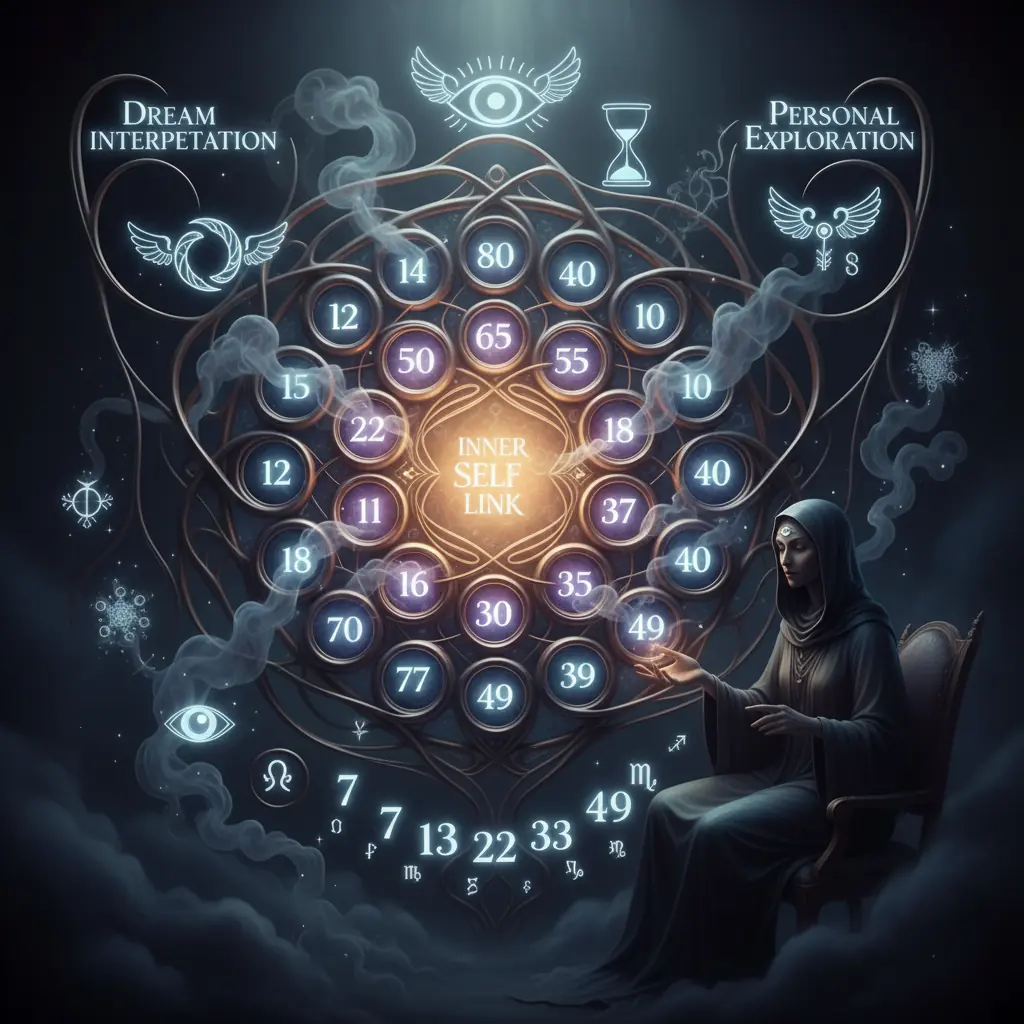
Dream numbers are those special digits that whisper to you from the subconscious, numbers that hold personal significance because they’ve popped up in your dreams. Instead of just picking random numbers, dream interpretation lets you create a filter that brings in a unique and relevant feel to your choices. These aren’t just any numbers; they are pieces of your own mental landscape, waiting to be understood.
Dream numbers could spring from a variety of sources within your dream world. Think about significant dates – birthdays, anniversaries or ages, maybe even an old address. Keep an eye out for repeating numbers, sequences that stand out, or numbers that seem tied to certain symbols or feelings within the dream. The key is that these numbers resonate with you on a personal level.
Want to find your dream numbers? Start keeping a dream journal. As soon as you wake up, jot down everything you remember, no matter how fragmented or strange it seems. Look for repeating patterns, strong emotions, and, of course, any numbers that appear. Once you’ve got a collection of dream narratives, start interpreting them. What do those numbers mean to you, personally? Is there a specific event or emotion they connect with? The more you explore your dreams, the more dream numbers you’ll uncover.
Why Dream Numbers?
Why turn to dream numbers in the sea of random numbers? Well, think about it. Picking numbers at random is, well, random! There’s no connection, no meaning, just pure chance. Dream numbers offer something more: a link to your inner self. They transform a game of chance into a personal exploration. They might not guarantee a win, but they certainly make the process more meaningful, turning it into a deep dive into your own consciousness.
The Psychology of Number Selection
People don’t just randomly pick numbers; there’s often a story, a feeling, or a memory attached. Birthdays and anniversaries are common choices, offering a sense of personal significance. These dates feel like a way to weave a bit of personal destiny into a game of chance.
Lucky numbers also play a big role. Whether it’s a childhood sports jersey number or a digit associated with a positive experience, these numbers provide a feeling of control and optimism. It’s like carrying a good luck charm, but in numerical form.
Several psychological biases can influence number selection. The gambler’s fallacy makes people believe that after a string of losses, a particular number is “due” to hit. Conversely, confirmation bias leads individuals to remember instances where their chosen numbers won, reinforcing their belief in those numbers’ luckiness. Observing Keno players, it’s fascinating to see the elaborate systems and heartfelt beliefs they place in their number selections, a blend of hope and perceived control in a game of pure chance.
Exploring Common Keno Number Strategies
Many Keno players search for an edge, clutching at strategies they believe will tilt the odds in their favor. These strategies often revolve around identifying patterns or trends in past Keno draws, but a closer look reveals their statistical flaws.
One popular approach involves tracking “hot” and “cold” numbers. Players believe that hot numbers, those frequently drawn recently, are more likely to appear again. Conversely, cold numbers, those infrequently drawn, are seen as due for a comeback. This hot and cold number theory is a classic example of the gambler’s fallacy. Each Keno draw is an independent event. The numbers drawn in the previous round have absolutely no influence on the numbers selected in the next round. Therefore, a number’s past performance is not indicative of its future probability.
Another common strategy involves selecting consecutive numbers or specific number patterns. Some players might choose 1, 2, 3, 4, and 5, while others favor patterns on the Keno card. This thinking falls apart when considering how random number generators work. The random selection process aims for unpredictability. Patterns or sequences have no advantage over any other combination of numbers; each combination has equal odds of being selected.
While these Keno strategies might provide a sense of control, they ultimately lack statistical validity. Keno is a game of chance, and each number selection is independent of all others. So, it is important to realize that Keno is just a game of luck and has nothing to do with skills.
Integrating Dream Numbers into Your Keno Strategy
Keno presents itself as a game of pure chance, governed by the whims of a random number generator. Yet, the human mind yearns for patterns, for meaning, even in the face of randomness. This is where the fascinating concept of dream numbers enters the Keno arena, offering a personalized and engaging layer to what might otherwise be a purely mechanical process.
The Allure of Dream-Inspired Numbers
Dream numbers are those significant figures that emerge from the subconscious landscape of our sleep. These could be dates of birth, anniversaries, house numbers, or any other number imbued with personal meaning and emotional resonance. Integrating these numbers into a Keno strategy isn’t about bending probability; rather, it’s about enriching the experience itself.
Consider this: choosing numbers based solely on a quick-pick system can feel detached and impersonal. However, selecting numbers that hold significance, that connect to memories and emotions, transforms the simple act of playing Keno into something more profound. Even if those numbers don’t hit, the act of playing them carries a personal narrative, a story that unfolds with each draw.
A Balanced Approach: Fun Meets Chance
The key lies in striking a balance. Acknowledge that Keno is, at its core, a game of chance. Dream numbers shouldn’t be viewed as a guaranteed path to winnings, but as a way to inject more fun and personalization into the process. Think of it as adding a sprinkle of magic to a game of probability.
One approach could involve selecting a core group of dream numbers and then supplementing them with a few randomly chosen numbers to broaden the scope of possibilities. Another tactic involves rotating dream numbers based on recent dream recall or focusing on numbers connected to a specific theme or period in one’s life.
Responsible Gambling and Positive Associations
It’s crucial to approach dream numbers with a sense of levity and responsible gambling practices. Treat them as a source of entertainment and engagement, rather than a system to beat the odds. By doing so, positive associations will begin to imprint upon what would otherwise may feel like meaningless results. Remember, the primary goal is to enjoy the game and keep the experience positive, regardless of the outcome.
Managing Expectations and Embracing the Fun
Keno, like any game of chance, should be approached with a clear understanding of its nature. The allure of dream numbers and the potential for a life-changing win can be captivating, but it’s crucial to temper enthusiasm with realistic expectations. Responsible gambling is paramount; Keno is, at its heart, a form of entertainment, and should be enjoyed as such.
The joy of selecting dream numbers lies in the personalized connection players feel with their choices. These numbers might represent birthdays, anniversaries, or simply resonate on a deeper, more intuitive level. This personal investment enhances the keno fun, adding an extra layer of excitement to each game. However, it’s important to remember that even the most meaningful dream numbers offer no guarantee of success. The game is governed by chance, and past outcomes have no influence on future results.
Therefore, set a budget before you begin and stick to it. View any winnings as a bonus, rather than an expectation. The true value of playing Keno lies in the entertainment it provides – the anticipation, the camaraderie (if playing in a social setting), and the simple pleasure of participating. By embracing this perspective, players can fully enjoy the experience without risking financial strain or disappointment. Dream numbers can be a delightful part of the Keno experience, so long as they enhance the enjoyment, not fuel unrealistic hopes.
Conclusion
Keno, with its blend of chance and anticipation, holds a unique appeal for many. Adding a layer of personalization through dream numbers elevates the experience, connecting the game to individual hopes and beliefs. Dream numbers, whether derived from significant dates, recurring motifs, or intuitive hunches, offer a way to engage with Keno on a more personal level.
However, it’s crucial to remember that Keno remains a game of chance. While dream numbers can enhance enjoyment, they don’t guarantee winnings. Responsible gaming is paramount. Set limits, play within your means, and view Keno as entertainment, not a source of income. Embrace the fun of exploring your dream numbers, but always prioritize a balanced and responsible approach. Let the allure of Keno and the appeal of dream numbers add a touch of magic to your game, and may your numbers bring you luck!